
I returned home to build the entertainment Boston has been missing
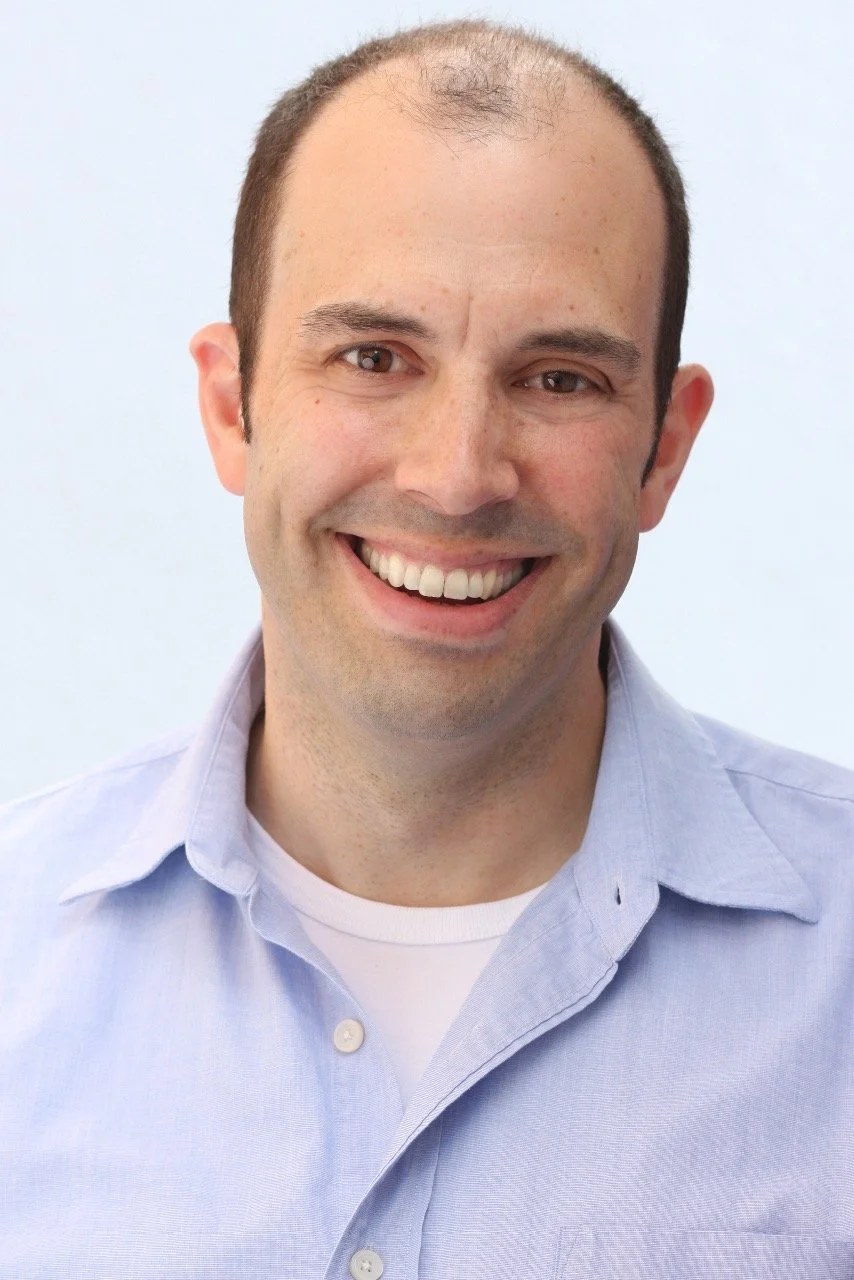
I’m a native Bostonian — actually born in Boston, not three towns over. I grew up here and fell in love with live entertainment. My parents took me to the Boston Ballet’s Nutcracker when I was five; I still have the souvenir. I started studying music in the fourth grade, and didn’t start acting until high school. But the moment I did, I knew theatre was my calling. I trained at the Boston Conservatory, and I produced my first show at eighteen. Since then I’ve worked at nearly every level of this industry: performer, stage manager, production manager, technical director, writer, director, arts administrator, and producer. I’ve stood on the stage, run the production, managed the building, and built the show. There isn’t a part of how live entertainment gets made that I haven’t done with my own hands.
There were no real options to work as an actor in Boston, so I got my first professional acting job in Florida. I moved there — and ended up spending more than twenty years away, building experiences at a scale most people only see from the audience.
Most of those years were with The Walt Disney Company, where I started as an actor. In time I moved behind the scenes — first at Disney Cruise Line, scouting the kind of one-of-a-kind variety and specialty performers who could hold a room, then on the theatrical teams behind original musicals like The Golden Mickeys, Twice Charmed, Villains Tonight!, and Toy Story, The Musical. I worked inside Walt Disney Imagineering, and at Disney Parks and Resorts I served as production stage manager for Starbright Holidays — the world’s first continuously running drone show, built in collaboration with Intel.
The work that came to matter most to me happened at Disney Springs. I was part of the team that reimagined the property once known as Downtown Disney — and while entertainment wasn’t the headline of that transformation, I became convinced it could quietly do far more for the place than anyone expected. I developed the creative and operational philosophy for its atmosphere entertainment: the live, roaming, immersive experiences woven through the property, designed not as decoration but as a reason to stay. It ran against conventional thinking, and I had to persist to see it through. But the results proved the idea out. Guests didn’t just drop by anymore — they settled in. The average visit more than doubled in length, and every business on the property felt the lift. It confirmed something I’ve believed my entire career: entertainment, done right, isn’t a cost. It’s an economic engine.
After two decades of creating entertainment for the masses, I understood clearly the kind of work I wanted to make next. Not bigger — more intentional. I had come to believe that the most powerful experiences are the ones you can truly author, where the scale is deliberately contained so that every moment a guest spends inside can be shaped, considered, and made to matter. Exclusivity, to me, isn’t about who you keep out. It’s about curation — the ability to craft an entire experience, moment to moment, in a way only intimacy makes possible.
But creative excellence was only half of what I wanted to build. The other half was a business that worked — one built on operational and financial innovation, where the people who make the work can earn a living in the city they live in, with healthcare, with benefits, with a real share in the rewards of a successful company. I know why that matters, because I couldn’t find it here. I left Boston in the first place because there was no way to build a career as an actor in my own city. I came back to build the thing whose absence had once sent me away — so that the next person wouldn’t have to leave, and so that anyone in this industry could look at Boston and see a place where they can build a life.
And I came back with something to build it on. Across a career spanning professional theatre, original musicals, and the leadership teams of major performing arts venues — the Van Wezel Performing Arts Hall in Sarasota, the Straz Center for the Performing Arts in Tampa, and Boston’s historic Emerson Colonial Theatre — I’ve seen what works and what doesn’t. I’ve been a contributing producer on some of the biggest live fan experiences in the world, including New York Comic Con, Star Wars Celebration, and Crunchyroll Fan Expo, and I’ve helped create immersive productions from popular themed events to large-scale attractions. I’ve carried the best of all of it home with me as a foundation. If you’re going to build something genuinely new in theatre, there’s no better place to do it than the city that helped build the business of American entertainment — and that still shapes Broadway itself, as the town where the country’s biggest shows come to test and refine their newest work. Why build theatrical innovation anywhere but the place that has always embraced it? Especially when it’s home.
So I started (Im)Possible Shows.
The name is a bit of a challenge, and a bit of a question. Building something that pushes the creative, the operational, and the financial forward all at once — a company that makes exceptional work and lets the people who make it earn a real living — is the kind of thing plenty of people would call impossible. I wanted the name to hold that doubt right out in the open, in the parentheses, and then answer it. Take the “im” away, and impossible becomes possible. That’s the whole idea.
(Im)Possible Shows is a Boston creative production company with one purpose: to make original commercial entertainment here, and in doing so, to help rebuild the local commercial entertainment economy this city let slip away. Our first production, The Conjurors’ Club, is a permanent immersive experience in development for downtown Boston — proof, not theory, that this can be built here again.
But this was never going to be a one-person job. Rebuilding something a city lost takes a village. If any of this resonates with you — as an artist, an audience member, a partner, or simply someone who wants to see Boston become a revitalized city with world-class entertainment of its own — I’d love for you to be part of it.
It’s kind of fun to do the impossible. Join us, and make the impossible possible.
Shape the Future of Local Commercial Theatre With Us
Whether you’re an artist, an investor, a potential partner, or simply someone who believes Boston should be building world-class entertainment of its own — we’d love to hear from you. Tell us what brings you here, and we’ll be in touch.